TED Blog
« Fellows Friday with Daniel Zoughbie | Main | A doctor’s touch: Abraham Verghese on TED.com »
23 September 2011
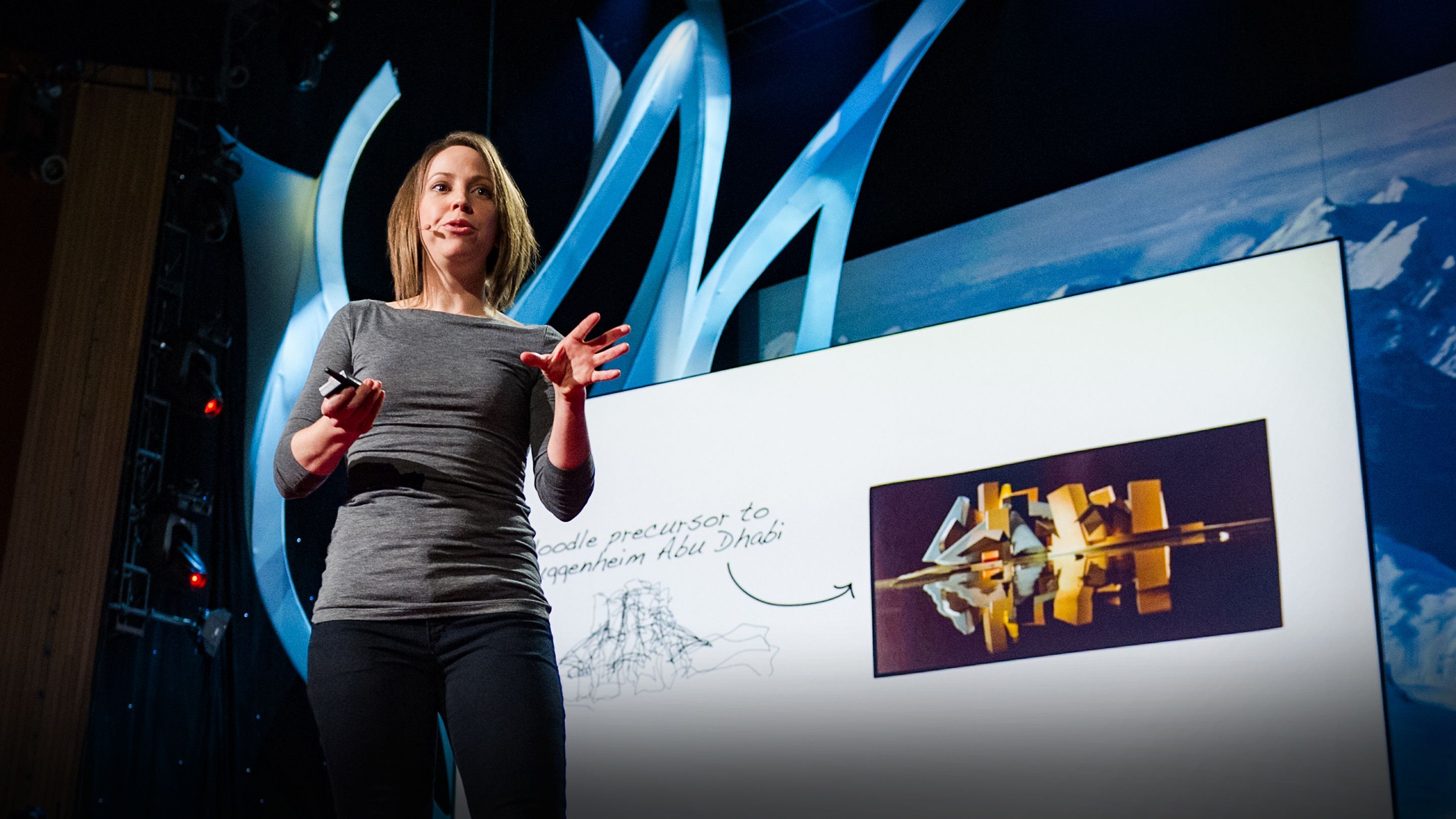
Doodlers, unite! Sunni Brown on TED.com
Studies show that sketching and doodling improve our comprehension — and our creative thinking. So why do we still feel embarrassed when we’re caught doodling in a meeting? Sunni Brown says: Doodlers, unite! She makes the case for unlocking your brain via pad and pen. (Recorded at TED2011, March 2011, in Long Beach, California. Duration: 5:51.)
Watch Sunni Brown’s talk on TED.com, where you can download it, rate it, comment on it and find other talks and performances from our archive of 1,000+ TEDTalks.
Discuss this Blog Post
-
Pingback: Doodle… | Left Justified
-
Sep 29 2011
It’s amazing that this doesn’t have more posts… I don’t care what anyone says, Picasso , the Leonardo Da Vinci of the 20th century swore by it. Despite what people know, Leonardo Da Vinci was a Doodler, most great artist are.
As for me, I would take a third grade master piece over a Robbet Kincade , whom Window people love, any day of the week.
Marshal McLuhan said, Ads are the cave paintings of the 20 century. Well, doodles are to ad creators what relativity is to science.
-
Sep 30 2011
I really love this talk, and the way that it turns the perception on doodling completely upside down! I’ve found myself doodling at home whilst listening to online trainings, in between note-taking, and I find it helpful to stay focused and absorb relevant info.
I’m guessing doodling is also useful as it preoccupies your conscious mind, and thus allows a channel straight into your subconscious mind allowing you to learn better. For visual people, the doodles on the page may even remind them of content they learnt as they were drawing a particular doodle on the page.
Thank you Sunni, for shedding this new light on the benefits of doodling! The next time I run a seminar, I’ll be sure to request that all participants feel free to doodle – that will go down a storm I’m sure. -
Pingback: Doodleing…An Essential Skill to Develop & Support in our Students? | Langwitches Blog
-
Pingback: Getting to visual… | Michelle Laurie rants and raves
-
Nov 4 2011
I’ve always doodled. Most concepts cannot be explained unless you have some sort of visual representation. This is why children love “picture” books. I’m sure for every great technology or invention, there’s a representative doodle of it, whether it’s in a cocktail napkin or a parchment. Sunni I await for “www.doodle-to-done.com”, the website that showcases the doodled original idea and the final completion.
-
Pingback: Designer at <3 | centerforics.org
-
Dec 22 2011
Why can’t I rate this. I wanted to agree so thoroughly to all her points.
Completely agree. I’m an artist but often end up in business situations, taking notes going to conferences etc. It’s remarkable how many people become offended at visual notes. I completely agree that it aids memory. I can look at a twist in a line and recall what inspired it and which way the conversation turned at that point. Whereas I don’t have what others would call a particularly superb memory in the normal sense. Bravo Sunni on a very interesting presentation of a very important subject (for me). -
Jan 30 2012
Clever words! I remember getting bad grates in high school because my teacher thought I was not paying attention, when doodling was the only thing that would keep my attention in the classroom. I bow for you!
-
Feb 5 2012
I totally agree! I have always doodled when writing poems. Doodles add power to words and vice versa. I have also doodled to bring study notes to life whilst in lectures in the past. I can’t see a way of “favourite”-ing videos anymore but it’s a favourite of mine!
-
Pingback: Weekly sustained drawing: Week 1…ish « artresources
-
Pingback: Doodling and the Creative Process {snippets} | | andhedrew.comandhedrew.com


j b
Sunni amazing discoveries!…Sure you’re aware (or maybe on the edge of learning) that drawing and doodling have made a huge comeback in the art world, not only with graffiti artists but the larger youth art movement that’s currently happening around the world. It has in fact always been a big part of any great visual art movement, and in the art world (to people who consider themselves artists-or push themselves to progress or refine there doodling) turn it into a fine craft. The once random and sketchy scribblings become smooth and playful, a beautiful union between creator and nature. This is traceable throughout art history, but is usually called craft, or folk art, decoration, mandala etc… Hope this brings some insight to your journey. Perhaps you could add to your re-defnintion that it has a quality of or calls for an awareness of the act of becoming one with or in harmony with nature? Just a thought. thank you!