TED Blog
« Waterwise: Fellows Friday with Sonaar Luthra | Main | Announcing: TEDTalks DVD on Demand! »
17 January 2012
Atheism 2.0: Alain de Botton on TED.com
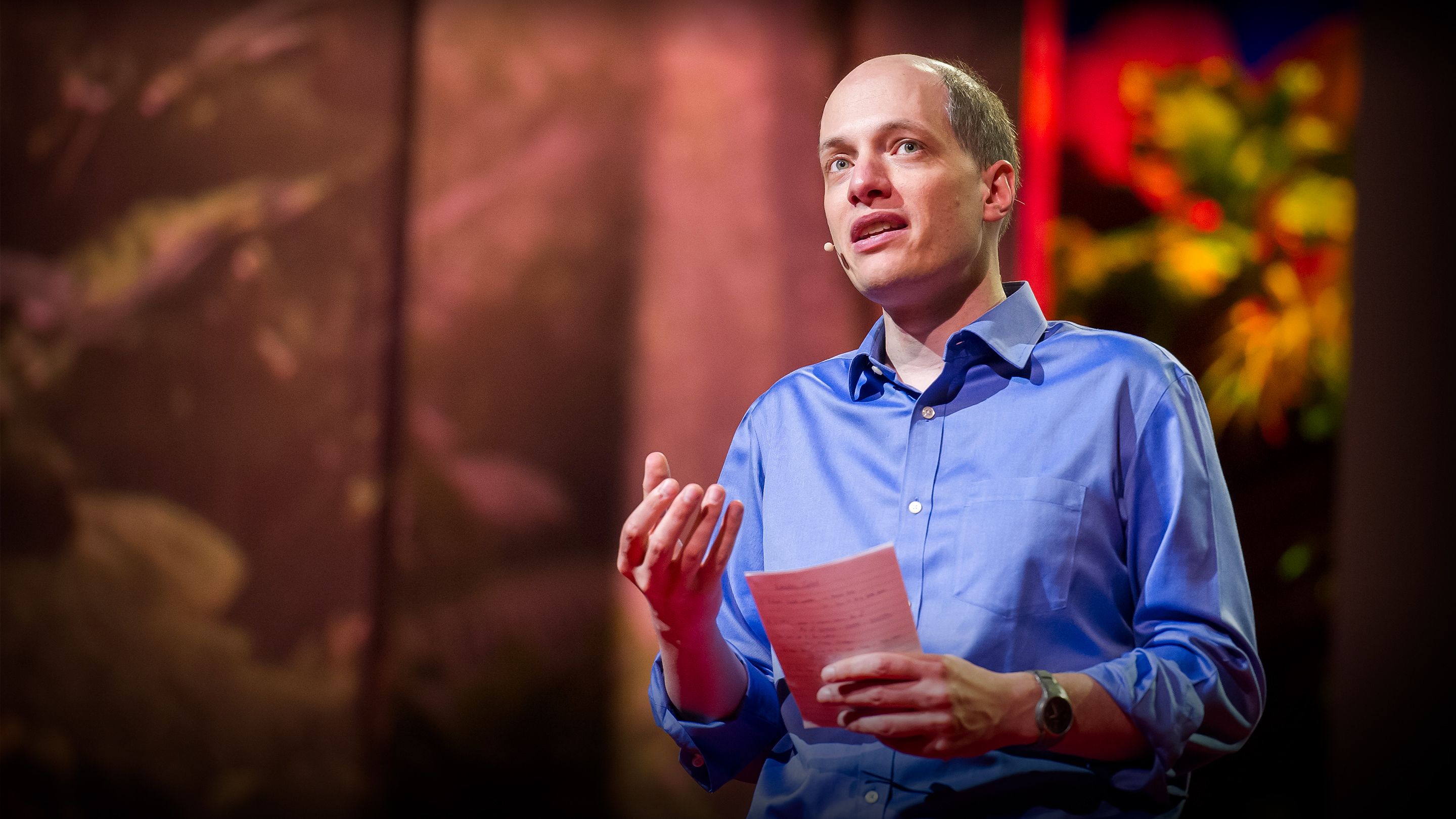
What aspects of religion should atheists (respectfully) adopt? Alain de Botton suggests a “religion for atheists” — call it Atheism 2.0 — that incorporates religious forms and traditions to satisfy our human need for connection, ritual and transcendence. (Recorded at TEDGlobal 2011, July 2011, in Edinburgh, Scotland. Duration: 19:20.)
Watch Alain de Botton’s talk on TED.com, where you can download it, rate it, comment on it and find other talks and performances from our archive of 1,000+ TEDTalks.
Discuss this Blog Post
-
Pingback: Dangerous Talk » Atheism 2.0
-
Pingback: Alain de Botton: A Kinder, Gentler Philosophy of Success « virtualDavis
-
Jan 28 2012
This is an interesting video that goes to the heart of what motivated atheism. The speaker centers his talk on the premise that atheists do not accept or believe its teachings and so in rejecting religion also miss out on the good practical benefits of religion. The speaker goes on to suggest that atheism should try to create these good benefits of religion outside of religion so as to not miss out on them. This is an interesting proposal. However, wouldn’t a better solution be to examine why you can not accept the teaching of religion? and see if perhaps you could find a way to accept them? Wouldn’t that be a much better way to be able to receive the benefits of religion? The reality is that the perceived benefits of religion flow from the doctrines of religion. They are not incidental. Without the doctrine, atheistic people will never be able to achieve the same kind of peace they would within religion. It is foolish to think that atheism will be able to create the same kind of motivation and devotion that religion can.
Furthermore, it seems obvious that the reason that atheistic people can not accept the doctrine is not that its irrational or implausible, it is that it will require a submission of their will to a higher standard and radical change in their lives. In defending a sort of false personal autonomy or individualism, they explain away the basis of religion to discredit it so they don’t have to accept the consequences of believing it. As a result, they miss out on the practical benefits of religion. The answer is not to try to create these benefits outside of religion but to find a way to accept the religion in the first place.
-
Pingback: The Morning Buzz | January 30, 2012 | Public Religion Research Institute
-
Pingback: Do Atheists Need ‘A Cathedral Of Their Own?’ | RealDelia
-
Pingback: 5 February | CUUF
-
Pingback: Atheism 2.0
-
Feb 19 2012
We in islam we don’t get bored listening to the same verses for weeks!
Indeed The Holy Quraan contains the things we seek to know in this life,
it is intrepreting all of whats happening in the real life..
Evidence, each friday, Muslims are advised to read Surat AlKahf (http://quran.com/18)
each time we read it, we feel we wanna repeat it, because it discuss 4 major things we face
in life…And pls no that, with Islam there are no mystry… all explained in Holy Quraan…
and our relegion didn’t ignore the disagreements, all discussed -
Pingback: 4 March | CUUF
-
Feb 29 2012
Terrible idea IMO. The minute atheism becomes a club with rules and guidelines and traditions with which members can judge, oppress, and terrorize each other, then it becomes a religion, whether god is involved or not. The beauty of atheism is that it’s not a club. It’s not even really a philosophy. It’s just a simple assertion–that there is not god. It’s that simple. I know our monkey instincts demand that we elaborate on that idea and turn it into an excuse to hate, control, and exclude, but we have to fight that urge, The day I have to listen to other atheists lecture me about the “rules” and how I’m not a “proper” atheist is the day this wonderful thought becomes just another church
-
Pingback: on religion | Cobb


David Thomson
Question: if we construct a “religion” to “satisfy our human need for connection, ritual and transcendence” can it really satisfy. Or can only something given to us do that?