Day 3 of TED2026 is a tour de force, exploring the history of sound on Earth, innovations in personal and public health and the cutting-edge technology shaping our future. The day’s sessions included talks curated by listening champion Julian Treasure and host of NPR’s TED Radio Hour Manoush Zomorodi.
Watch TED2026 on TED Live, check out more photos from the event and learn more about attending a future TED conference.
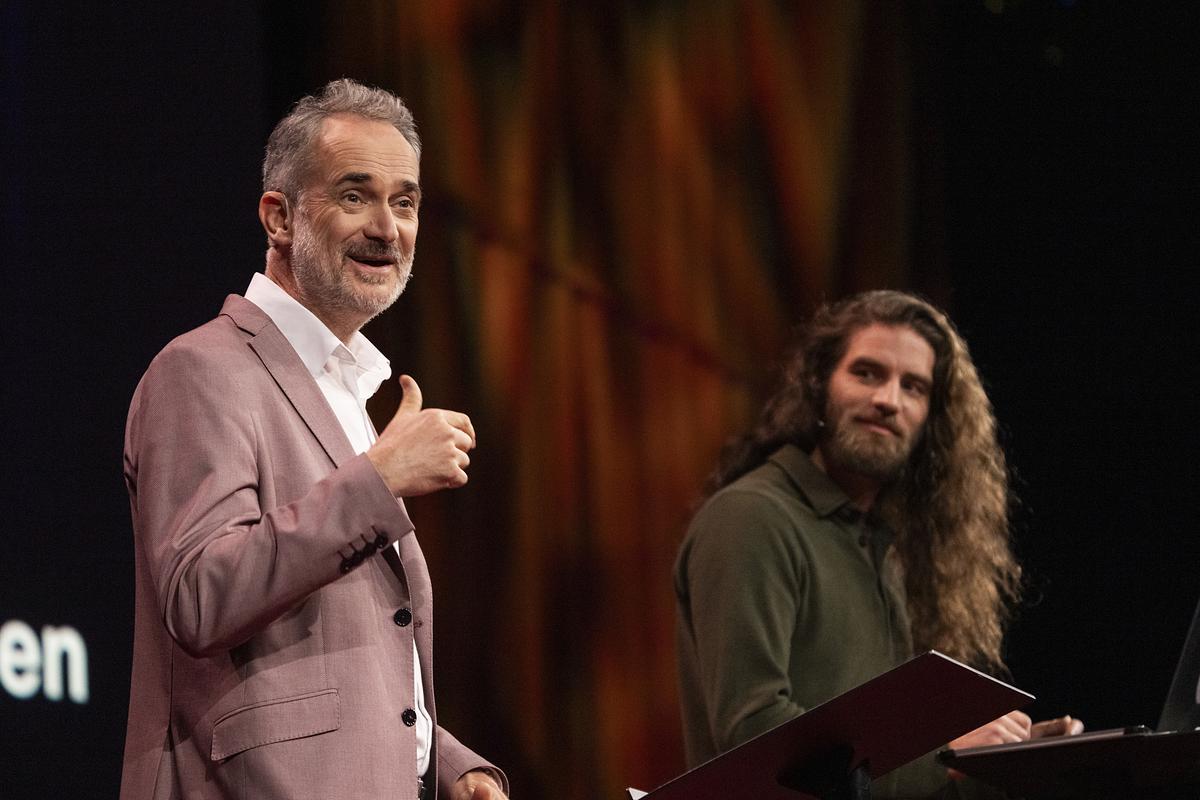
David George Haskell (left) and Matthew Mikkelsen speak at TED2026: All of Us on April 15, 2026, in Vancouver, BC. (Photo: Ryan Lash / TED)
What does the universe sound like? Astrophysicist Mark Whittle takes us back to its conception: vast sound waves rippling through the cosmos for millions of years, slowly becoming the tapestry of galaxies we see today. Then he plays it for us, and for one brief stunning moment, we hear the sound of creation itself. Back on Earth, biologist David Haskell and sound designer Matthew Mikkelsen trace the primitive language of sound: from the first insect chirp to the layered symphonies of rainforests and oceans. The universe has been singing long before we could hear it. It’s about time we listened.
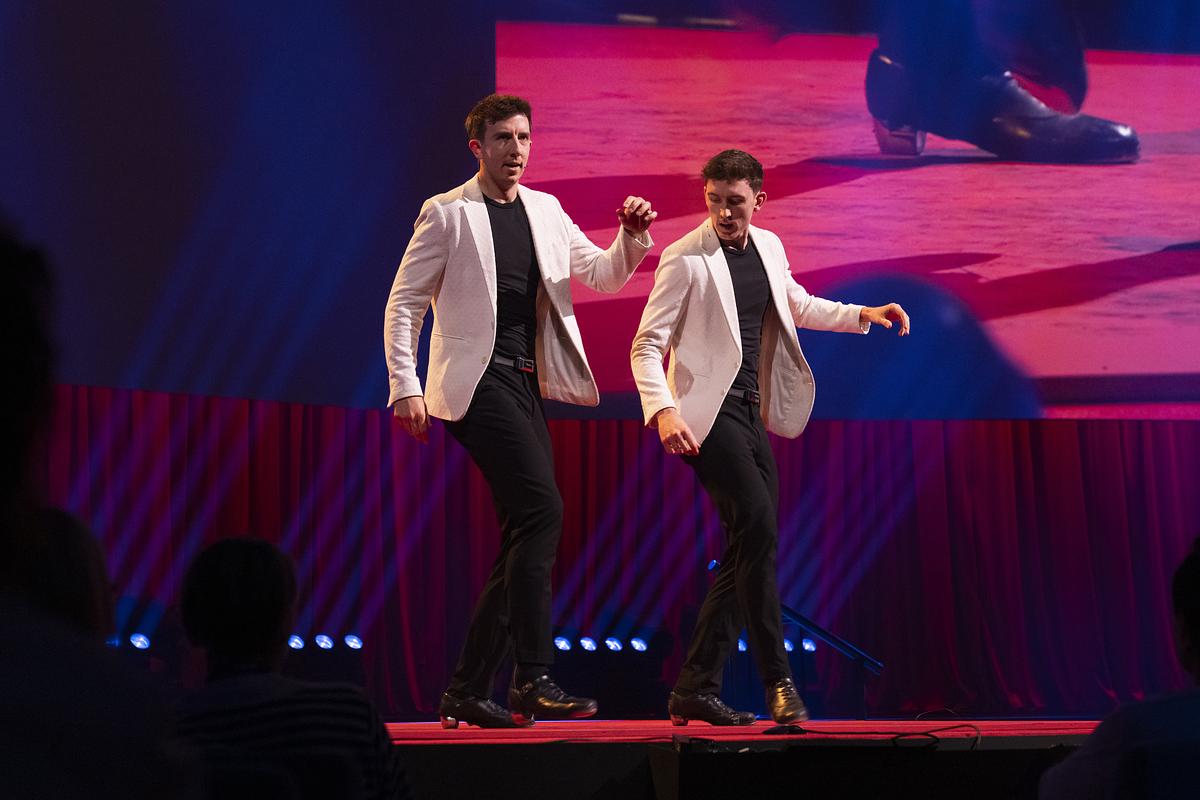
The Gardiner Brothers perform at TED2026: All of Us on April 15, 2026, in Vancouver, BC. (Photo: Ryan Lash / TED)
Good ears don’t make a good listener. Writer Michael Chorost knows this better than anyone. Partially deaf and fitted with cochlear implants, he spent months learning to hear again. What he learned went far beyond the mechanics of hearing. Listening, he says, is a moral act: setting aside your assumptions to hear people as they really are. The reason we struggle with this, explains journalist Emily Kasriel, is we often mistake listening for agreeing. Separating the two is where real connection begins. And sometimes the most powerful listening requires no words at all. Irish dance duo The Gardiner Brothers prove it in an electrifying performance — dancing an entire conversation through nothing but rhythm and sound. The ears are just the beginning; real listening takes discipline.
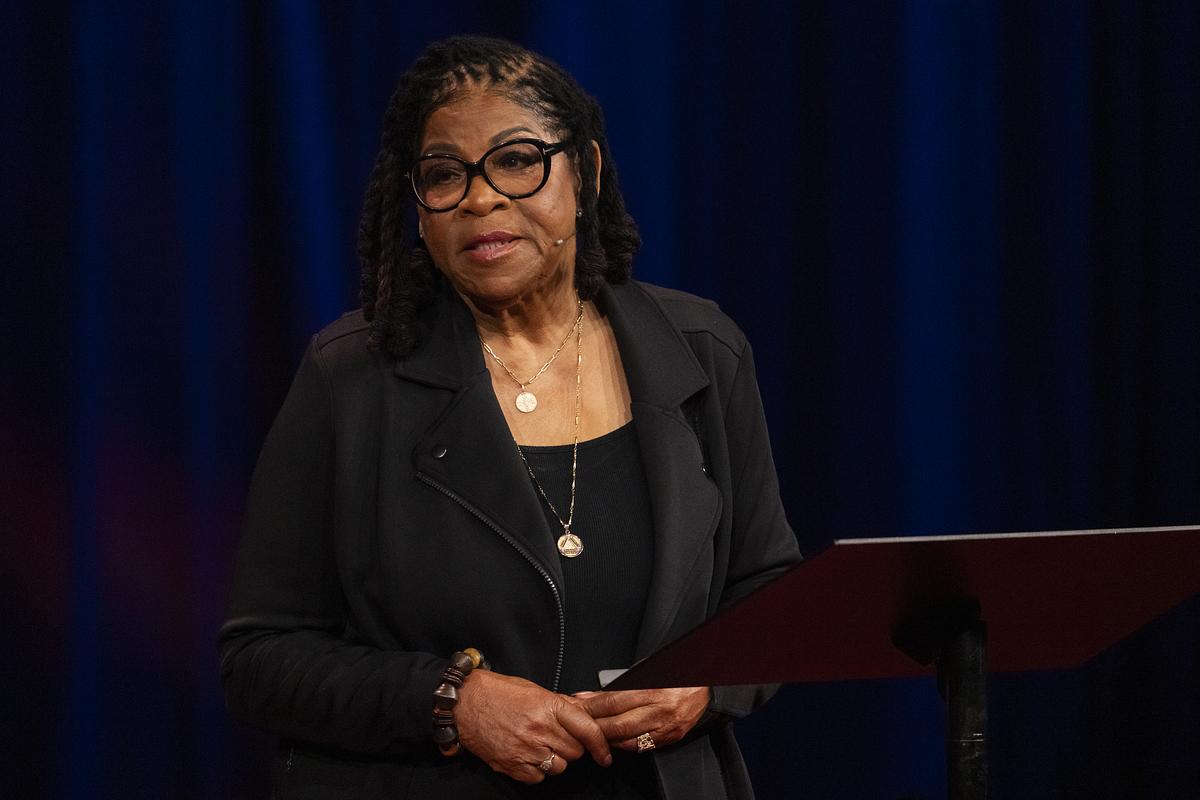
Susan Burton speaks at TED2026: All of Us on April 15, 2026, in Vancouver, BC. (Photo: Ryan Lash / TED)
What happens when you really listen? For activist Susan Burton, everything changes. After the death of her son sent her into a spiral of addiction and incarceration, she walked into an AA meeting and, for the first time, found people who listened. It saved her life, and she’s made it her mission to save many more through A New Way of Life Reentry Project. Writer Harville Hendrix found the same truth in his marriage. On the brink of divorce, he and his wife turned to the simple yet radical practice of listening without judgment, and discovered they barely knew each other at all. He says: “You cannot love who you do not know. You cannot know without listening.” That’s why director John Lloyd goes to the sound department for the best takes — they’re the only ones truly paying attention. As he says, “You never learn anything by talking, only by listening.”
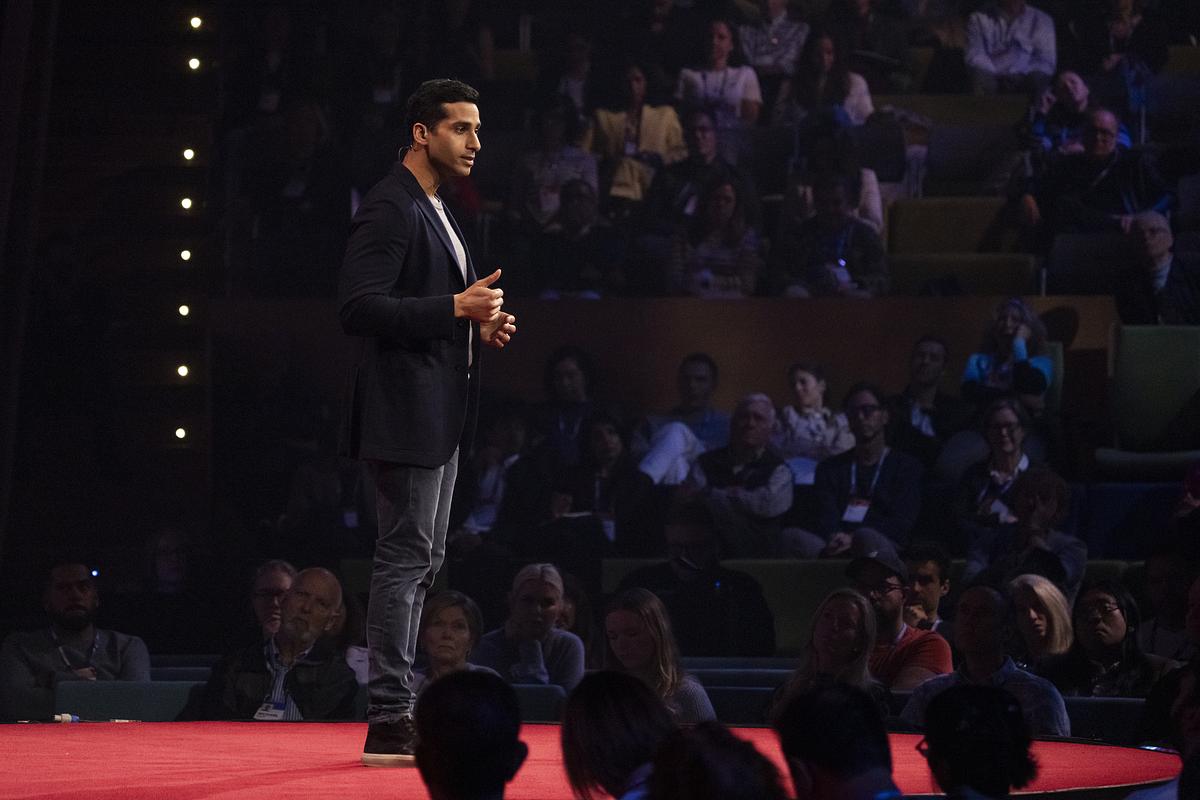
Dhruv Khullar speaks at TED2026: All of Us on April 15, 2026, in Vancouver, BC. (Photo: Jason Redmond / TED)
Back to biological basics. We’re living in the most sedentary era in human history, and it’s quietly wrecking our health — even for people who exercise regularly. Exercise scientist Keith Diaz has a solution: a five-minute “movement break” every half hour. He shows the data on why quick moments of movement can dramatically boost your health, mood and energy. In a similar vein, precision medicine pioneer Michael Snyder shows how wearables are revolutionizing personal health tracking, with a particular focus on how they can help people identify their risk for pre-diabetes. Physician Dhruv Khullar explores the potential of GLP-1 drugs to move beyond weight-loss medication into a promising treatment for addiction. By quietly dialing down the brain’s reward response, GLP-1s don’t kill your desires, they just make them more manageable, giving people the mental space to change their lives.
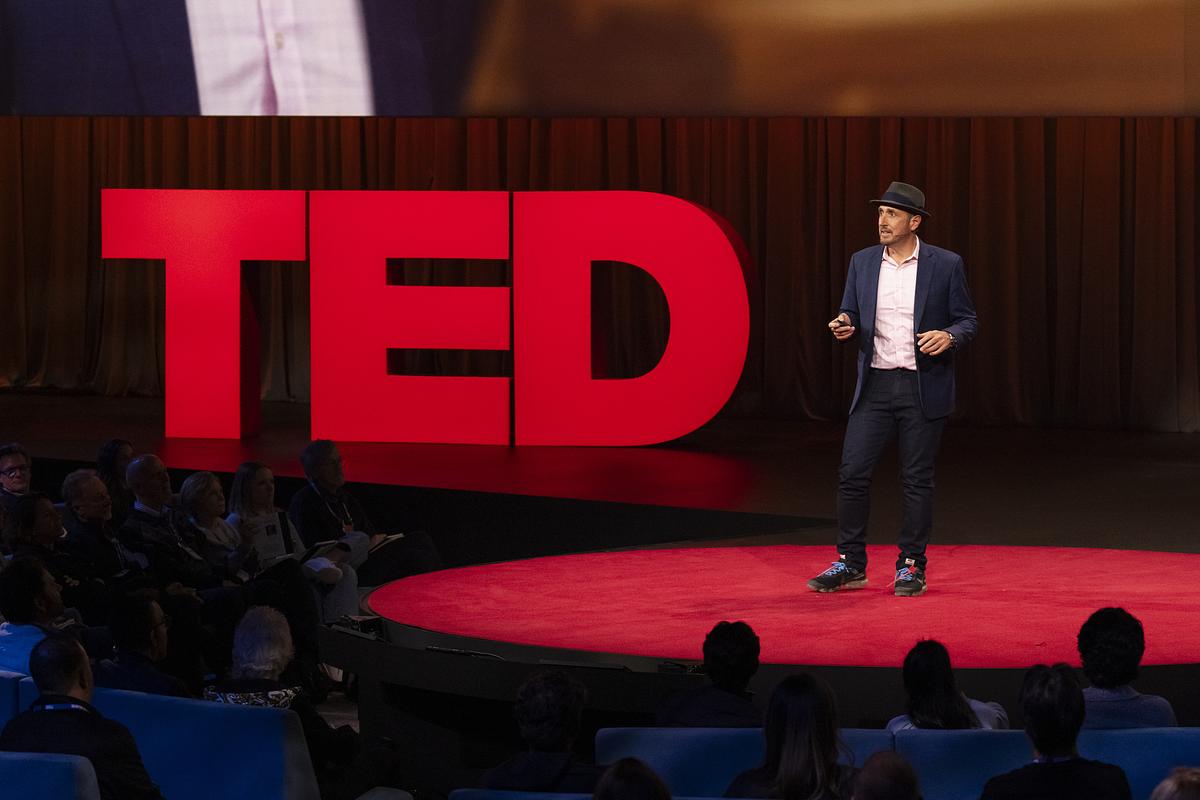
Randall Lane speaks at TED2026: All of Us on April 15, 2026, in Vancouver, BC. (Photo: Jason Redmond / TED)
A new way to calculate wealth. Billionaires are deeply unpopular — polling in popularity below trial lawyers and just above TikTok influencers, according to a new poll from Forbes and Harris X. Yet where billionaires flourish, poverty shrinks and economies grow. Randall Lane, the editorial steward of Forbes’s signature rankings, including its famous “World’s Billionaires List,” thinks this widespread dislike is the result of the world’s richest people giving away less than one percent of their net worth (while the average American donates two percent to charity per year). To close that gap, Forbes is launching a new list — “True Net Worth” — that counts what you’ve given away as wealth you still own, turning the ego that drives billionaires up the list into a force that might do some good.
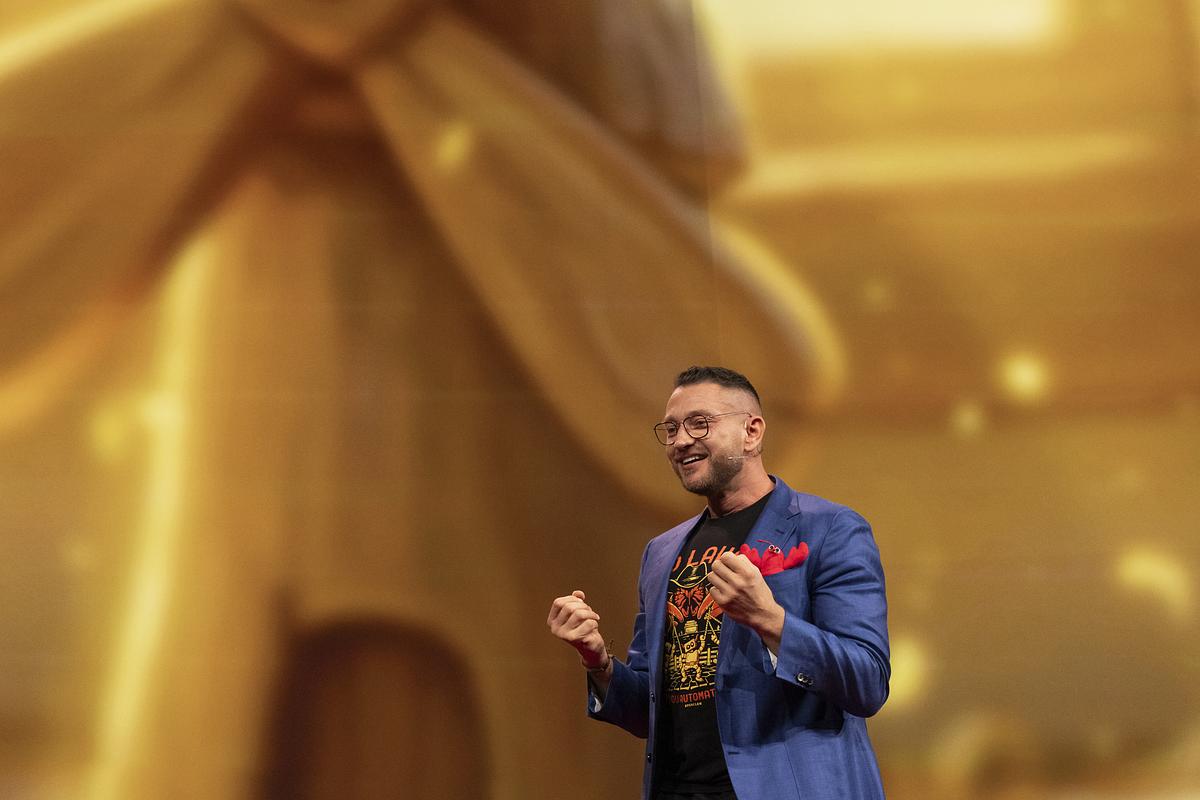
Peter Steinberger speaks at TED2026: All of Us on April 15, 2026, in Vancouver, BC. (Photo: Jasmina Tomic / TED)
Will AI ever become conscious? OpenClaw creator Peter Steinberger takes us back to a transformative moment in a Marrakesh alley, where he stood, frozen, watching an AI agent he’d built improvise a voice translation workflow in nine seconds — a capability he hadn’t programmed but appeared to happen spontaneously. That’s just one example of amazing capabilities being brought to life by OpenClaw users across the world, and it’s precisely what consciousness explorer Anil Seth would put on the examining table: the all-too-human tendency to project inner life onto algorithms. Seth’s careful case against conscious AI warns against letting a sophisticated mirror convince us it has a self, insisting that consciousness isn’t a computational side effect but something rooted in flesh and blood. But whether or not AI ever becomes conscious, our belief that it might be is already rewriting the rules of agency, ethics and invention.
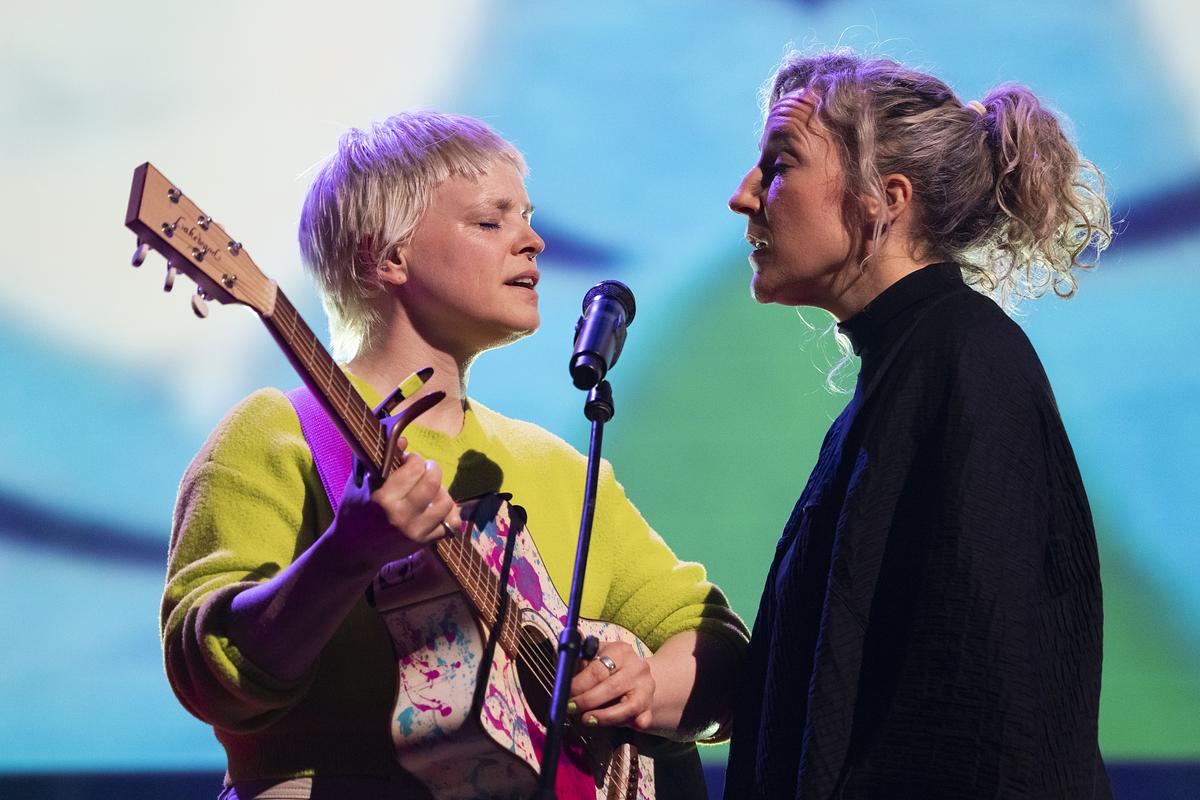
Wallis Bird and Tracey Kelleher perform at TED2026: All of Us on April 15, 2026, in Vancouver, BC. (Photo: Jason Redmond / TED)
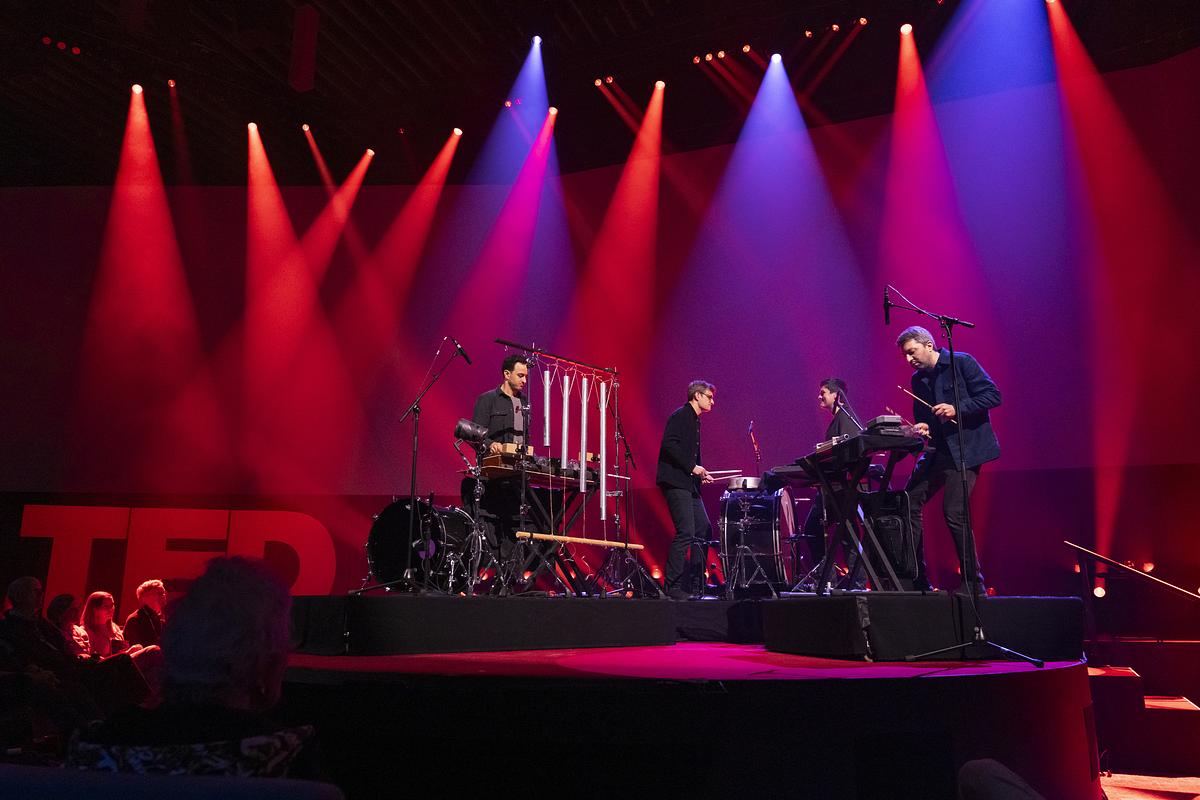
Sandbox Percussion performs at TED2026: All of Us on April 15, 2026, in Vancouver, BC. (Photo: Jason Redmond / TED)