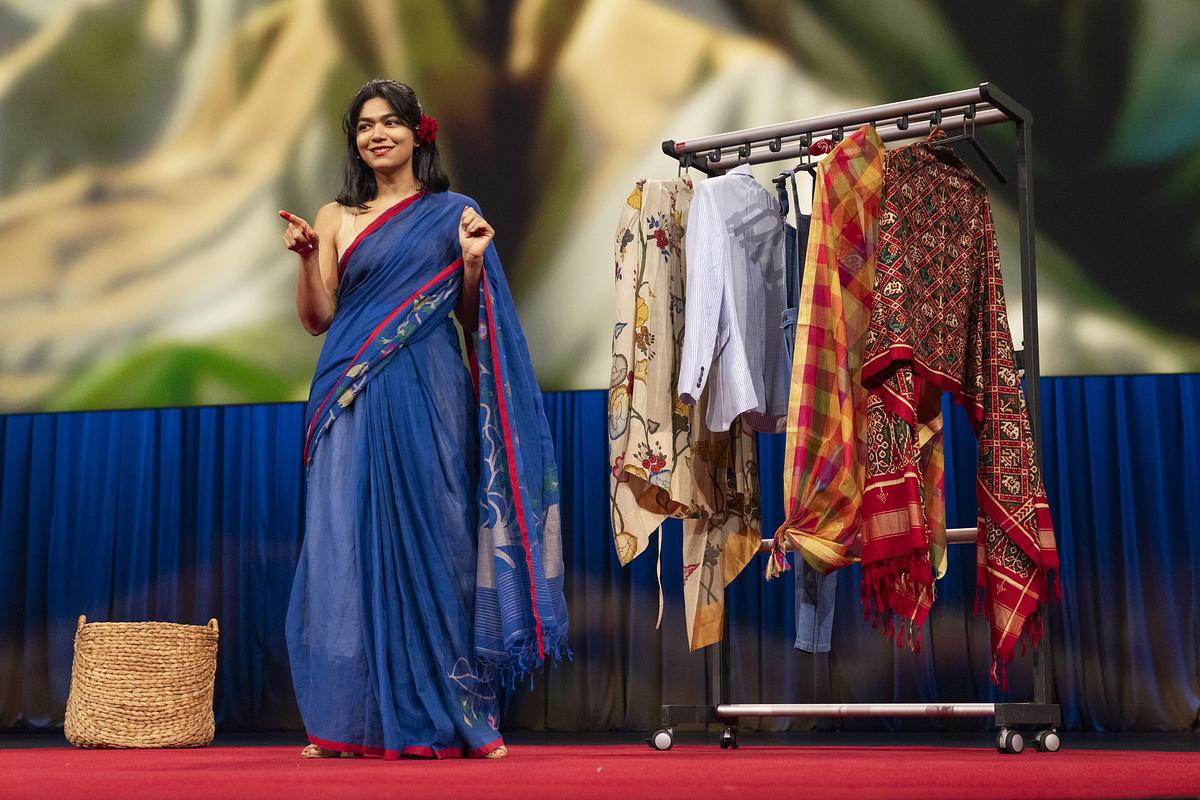
Sukriti speaks at TED2026: All of Us. April 16 2026, Vancouver, BC. (Photo: Ryan Lash / TED)
What does it take to find hope when everything feels fractured? Day 4 of TED2026 leaned into the messy, meaningful work of creating a better world, one connection at a time. Hear from the speakers who rose to the top of the TED Idea Search and the thinkers, artists and dreamers who refuse to accept the world as it is. Watch what happens when we dare to imagine differently.
Day 4 of TED2026 included talks curated by curator, connector and creative producer Kelly Stoetzel, TED’s YouTube manager Kelli Hsu, psychologist and happiness expert Dan Gilbert, TED’s head of media and curation Helen Walters and TED’s digital curator Ikey Ajavon.
Watch TED2026 on TED Live, check out more photos from the event and learn more about attending a future TED conference.
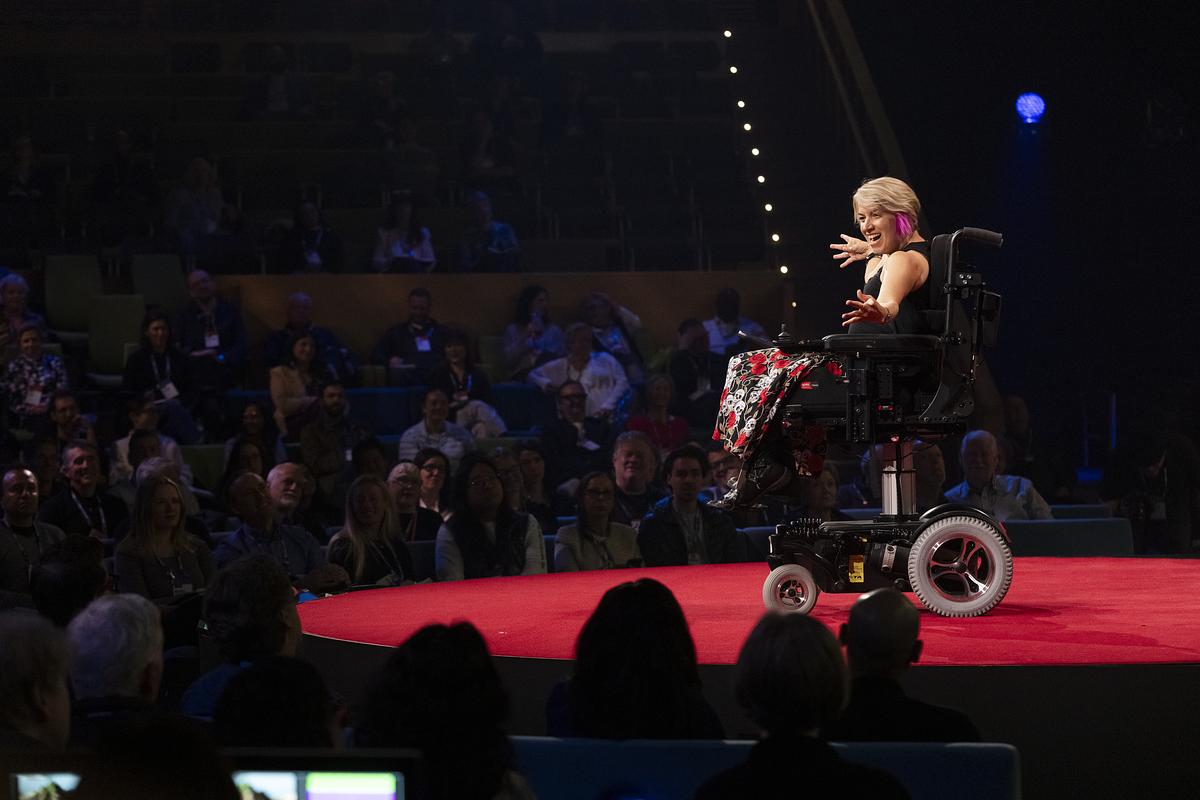
Jessica Irwin speaks at TED2026: All of Us. April 16, 2026, Vancouver, BC. (Photo: Ryan Lash / TED)
Whose voices get heard — and whose get lost? Political scientist Joaquin Navajas has a surprising answer: in a world of polarization, everyone’s voices are heard. The very engine of democracy only works when there is a diversity of voices. But what about the voices that never make it into the room? Musician Gabriella Di Laccio says that nearly 90 percent of the music we hear was written by men. Not because women weren’t composing, but because no one was keeping track. Researcher and author Sukriti finds the same erasure in fashion: the cotton that cooled pharaohs, the bandana that symbolized the American West — all rooted in Indian textile tradition and yet stripped of their origins along the way. And some voices are missing from the conversation itself. Photographer Jessica Irwin was born with cerebral palsy, making her unable to speak. People talk over her, talk down to her and mistake silence for simplicity. She asks us to reconsider what intelligence looks like — and to remember that the inability to speak does not mean the inability to think. The question is whether we’re willing to listen. Journalist Joshua Johnson has a place to start: park your opinions, get closer and learn their story
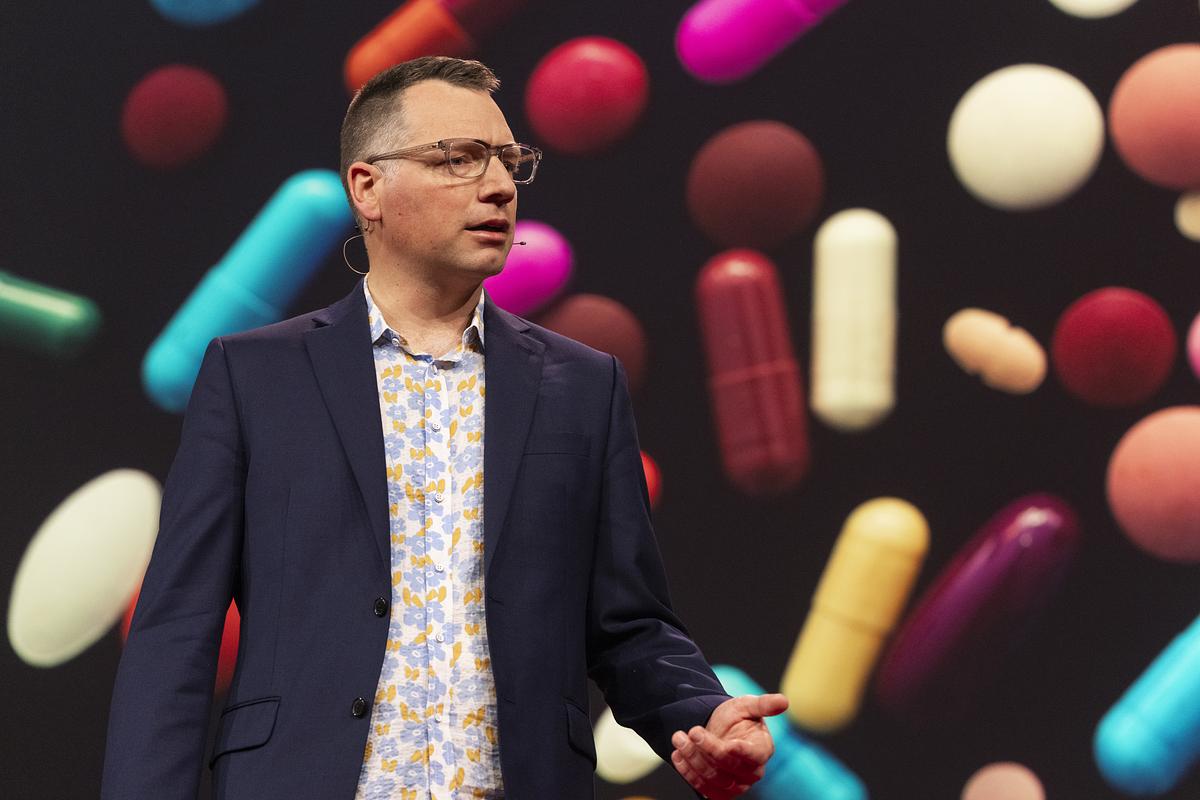
Tim Cernak speaks at TED2026: All of Us. April 16, 2026, Vancouver, BC. (Photo: Ryan Lash / TED)
Real change doesn’t wait for permission. Technologist Li Hongyi grew tired of the government’s habit of solving problems no one actually had — so he rebuilt it from the ground up, sending small teams into schools, hospitals and fire stations to find the real ones. In Nigeria, engineer Vincent Egoro discovered why solar panels were failing across the continent: no one knew how to fix them. His solution isn’t more panels — it’s building the human infrastructure to keep them running. Entrepreneur Fiori Zafeiropoulou Fronimopoulou takes that same logic into the factory. As AI handles repetitive work, humans get the chance to become authors, designers and storytellers. That same impulse drove mountaineer Nelly Attar to found a dance class in a culture where women’s bodies are rarely given space to move. By sneaking women into a warehouse after hours, she built a sports “move”-ment. And in the laboratory, chemist Tim Cernak is asking why the tools of modern medicine stop at the human body. He’s applying them to endangered species, rewriting what conservation can look like.
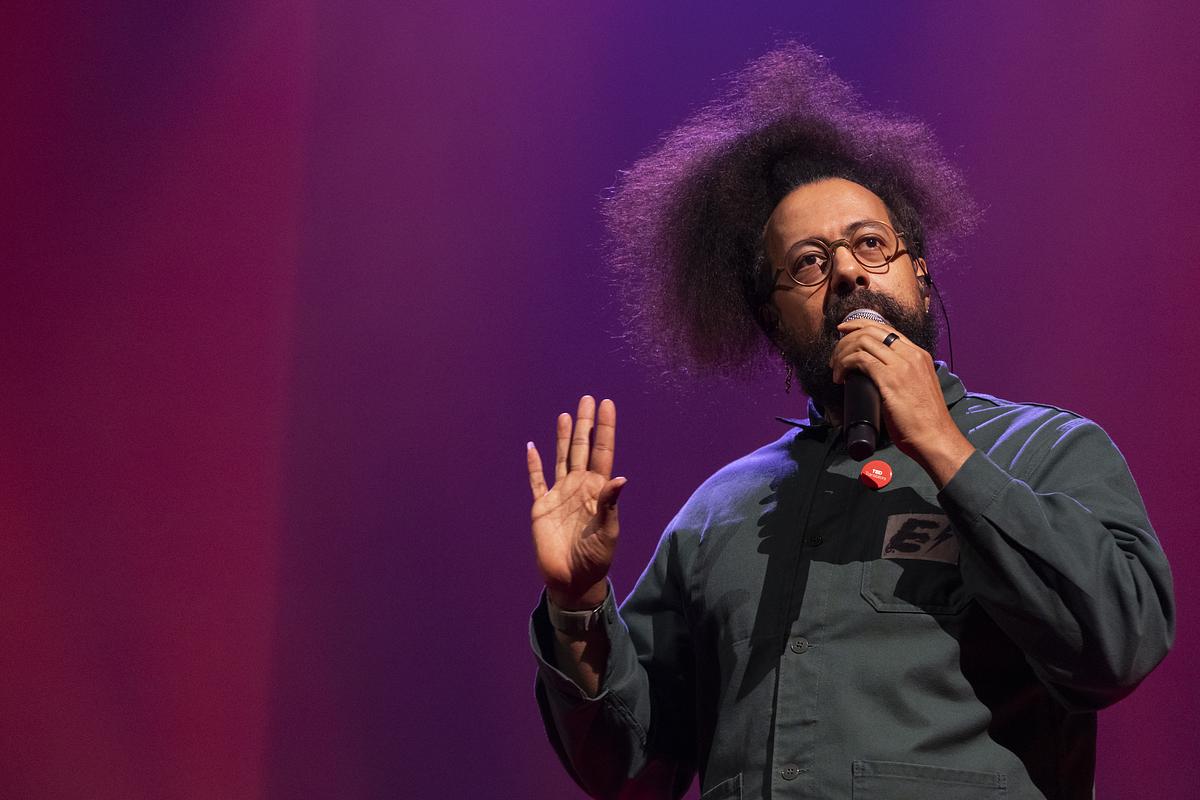
Reggie Watts performs at TED2026: All of Us. April 16, 2026, Vancouver, BC. (Photo: Ryan Lash / TED)
Music that follows inspiration, not rules. In a performance equal parts disorienting and transcendent, musician Reggie Watts reminds us that music needs no category. Part beatbox, part opera, part something entirely his own, he reminds us that music requires nothing more than sound and the courage to follow it anywhere.
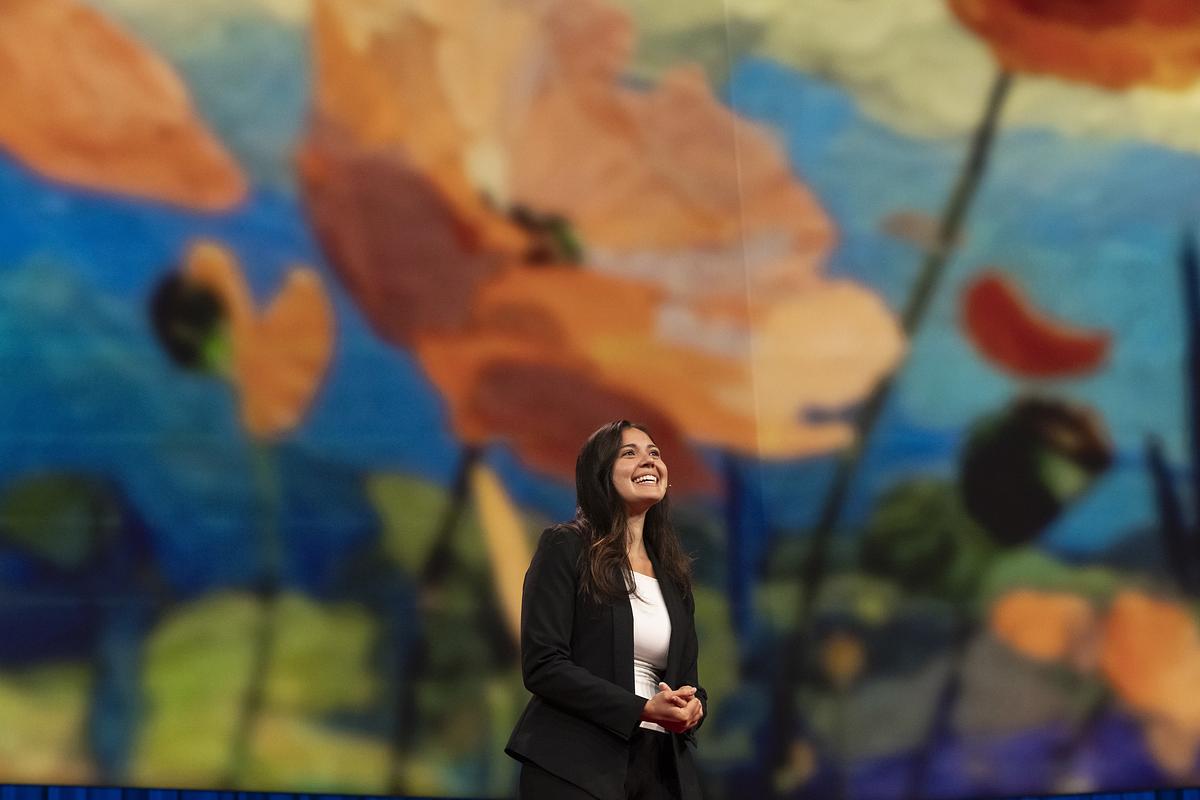
Gabriela Navarro Moynihan speaks at TED2026: All of Us. April 16, 2026, Vancouver, BC. (Photo: Jasmina Tomic / TED)
Where our most important decisions begin. Behavioral scientist Nicholas Epley learned this on a morning commute when he decided to talk to a stranger wearing a red hat — a choice that launched decades of research into why we avoid connection despite craving it. He reveals that our instinct to stay silent, skip the compliment and avoid the deeper conversation is a measurable mistake. Purposeful prankster Gabriela Navarro Moynihan takes that idea further, sharing why she spent her college spring break donating a kidney to a stranger she’ll never meet — and why it’s worth crossing an ocean for other people.
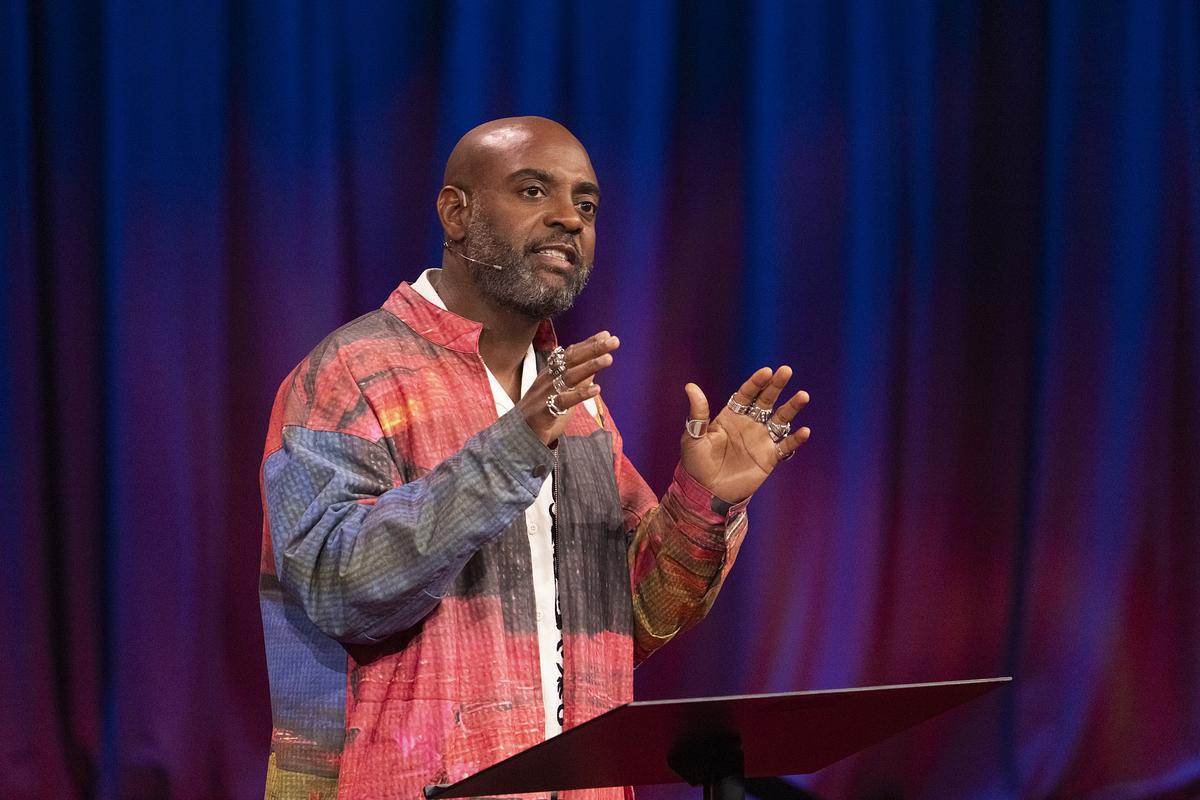
Reginald Dwayne Betts speaks at TED2026: All of Us. April 16, 2026, Vancouver, BC. (Photo: Jasmina Tomic / TED)
A moment of connection can ripple across an entire lifetime. Author Ann Patchett traces her path from a chance encounter with a Hare Krishna in a Chicago airport to opening one of America’s most beloved independent bookstores — making the case that reading, like generosity and conversation, is an invisible thread that binds humanity. Lawyer, poet and Freedom Reads founder Reginald Dwayne Betts walked into prison at sixteen with nothing but survival on his mind. In solitary confinement, he discovered small acts of transformation — and a mentor who showed him how to hold onto hope. Years later, he walked out and built 600 prison libraries across America.
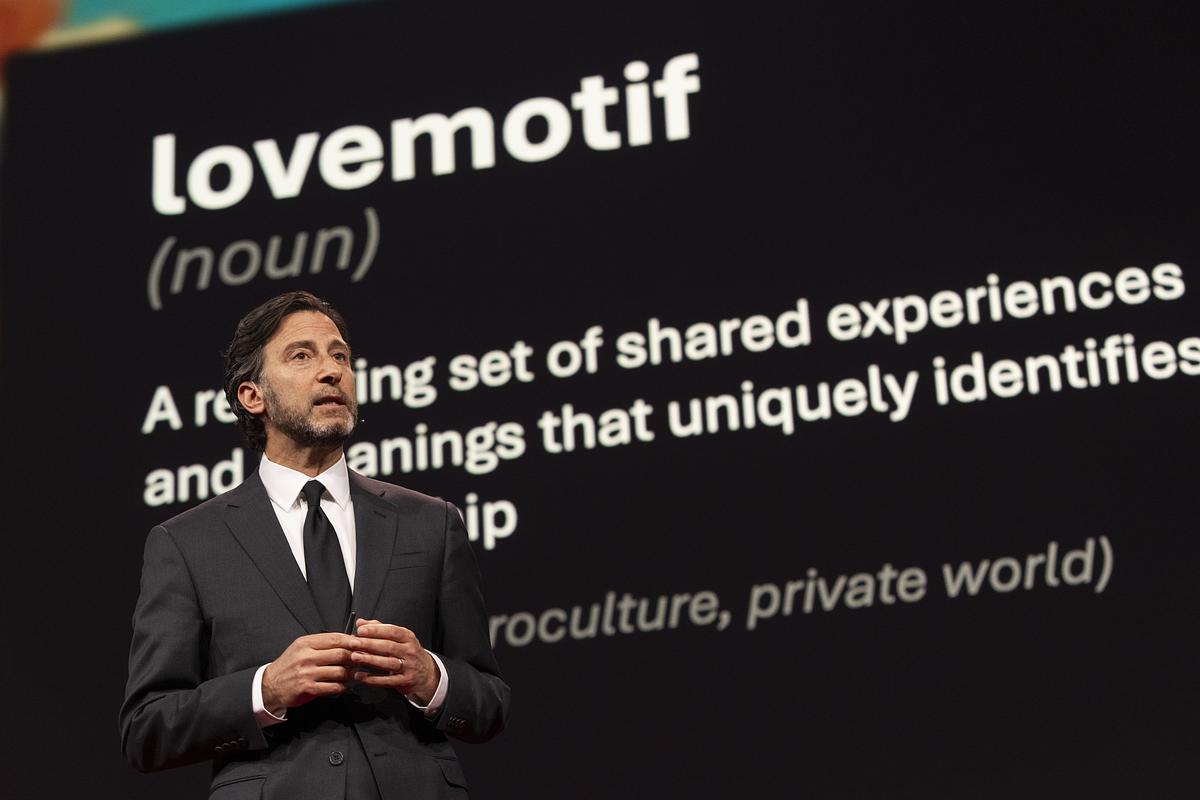
Eli J. Finkel speaks at TED2026: All of Us. April 16, 2026, Vancouver, BC. (Photo: Ryan Lash / TED)
We build ourselves through the worlds we create — with partners and machines. Author, podcaster and relationship researcher Eli J. Finkel reveals that common interests and physical attraction aren’t what make or break a relationship: it’s the thousands of tiny interactions that construct deeply personal shared experiences — what he calls “lovemotifs”. Human nature decoder Paul Bloom makes a counterintuitive case that AI companions may be able to cure loneliness, at a cost. He explains that the discomfort of feeling socially disconnected is not a flaw to be engineered away but a signal that drives us to grow, which AI might help you recognize. Digital anthropologist Jennifer Cearns shares surprising evidence from the field: people interacting with AI are not retreating from their humanity but discovering it, using machines as a space to practice grief, compassion and care.
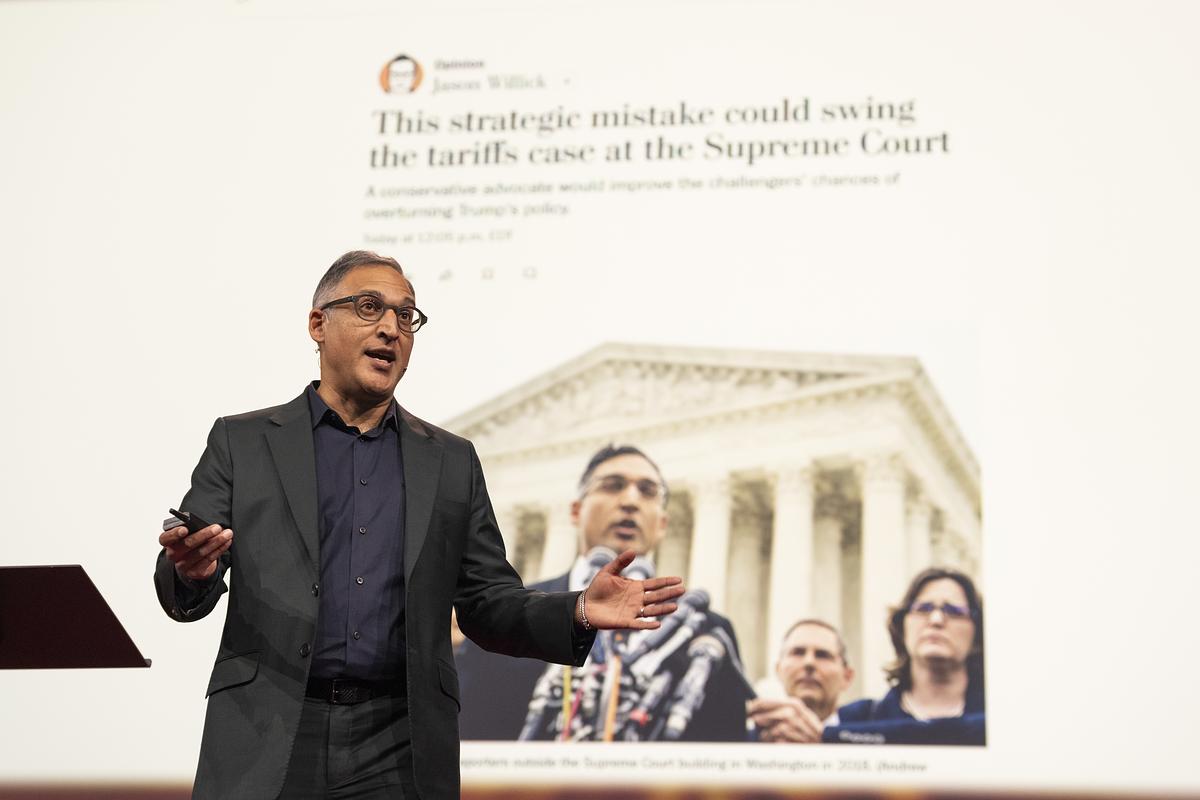
Neal Kumar Katyal speaks at TED2026: All of Us. April 16, 2026, Vancouver, BC. (Photo: Jasmina Tomic / TED)
What AI can and can’t do. Neal Katyal has argued 52 cases before the Supreme Court, and the one that may matter most — defending US businesses in the case against Trump’s tariffs — asked the justices to do something they’d never done: strike down a sitting president’s signature initiative. His secret weapon was an AI system trained on 25 years of Supreme Court questions that predicted, almost verbatim, what the justices would ask him. But the case wasn’t won by the machine: it was won by the human skills AI can’t replicate — the ability to listen, to read a room and to connect with another person. His argument for all of us: stop asking whether AI will replace you and start going deeper into the thing that’s irreducibly, unmistakably human about what you do.
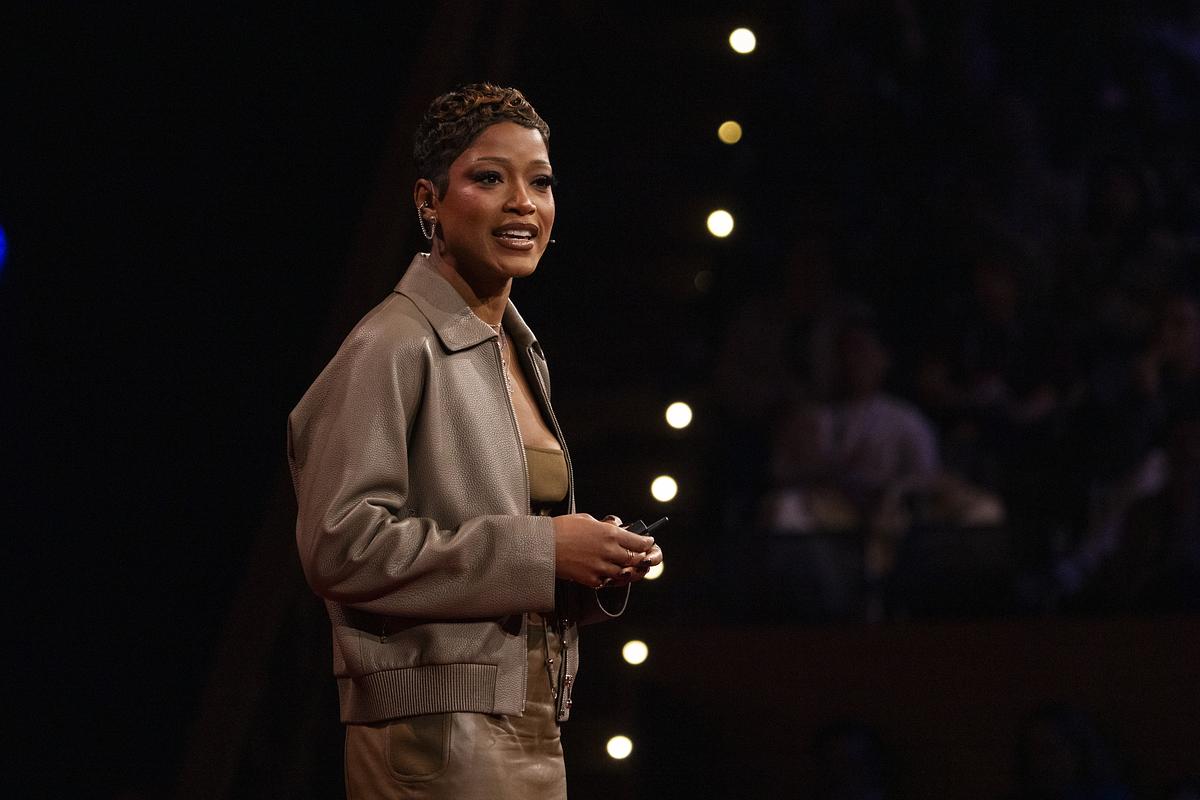
Keke Palmer speaks at TED2026: All of Us. April 16, 2026, Vancouver, BC. (Photo: Jason Redmond / TED)
You survived. Now what? Growing up in poverty in Robbins, Illinois, multihyphenate entertainer Keke Palmer became her family’s breadwinner as a child actor — and built an entire identity around staying useful, staying alert and never stopping. The problem? Survival strategies that can save you can also quietly trap you, running long after the emergency has passed. It took watching her exhausted toddler fight sleep in a parking lot for Palmer to finally understand the difference between performing a life and actually living one.
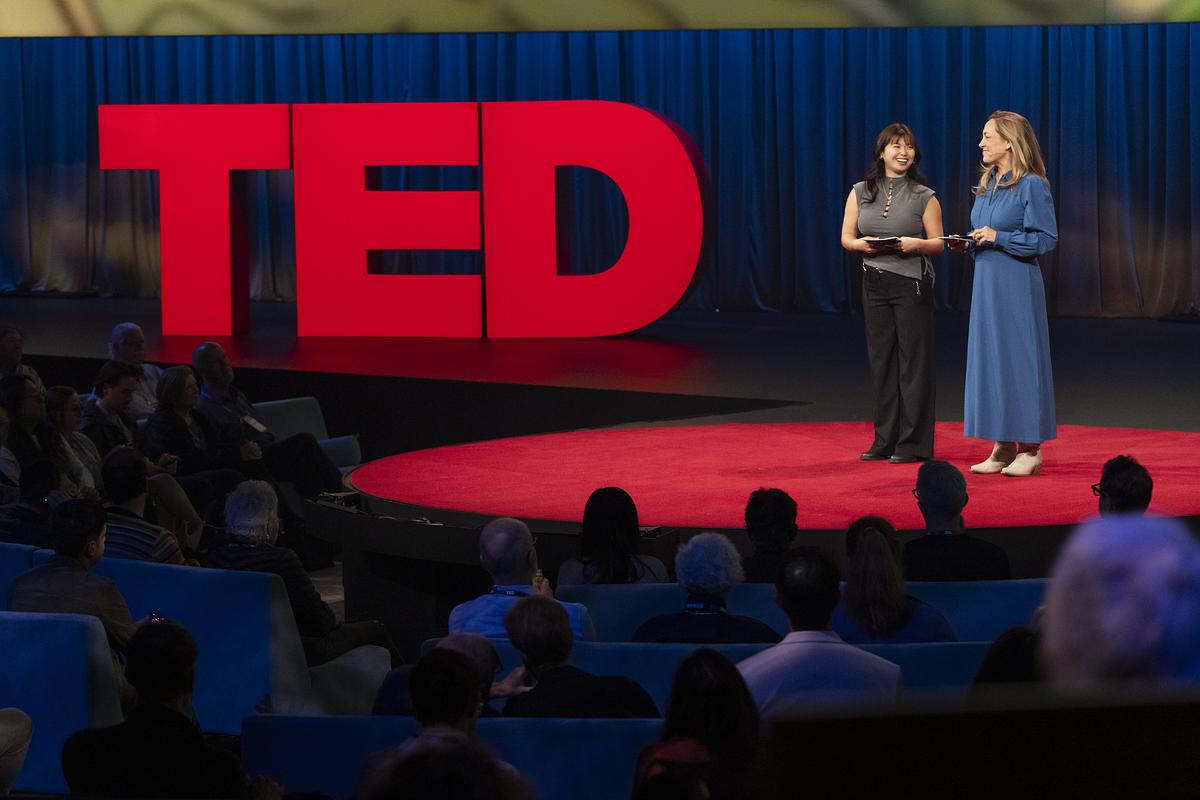
Hosts Kelli Hsu and Kelly Stoetzel speak at TED2026: All of Us. April 16, 2026, Vancouver, BC. (Photo: Ryan Lash / TED)
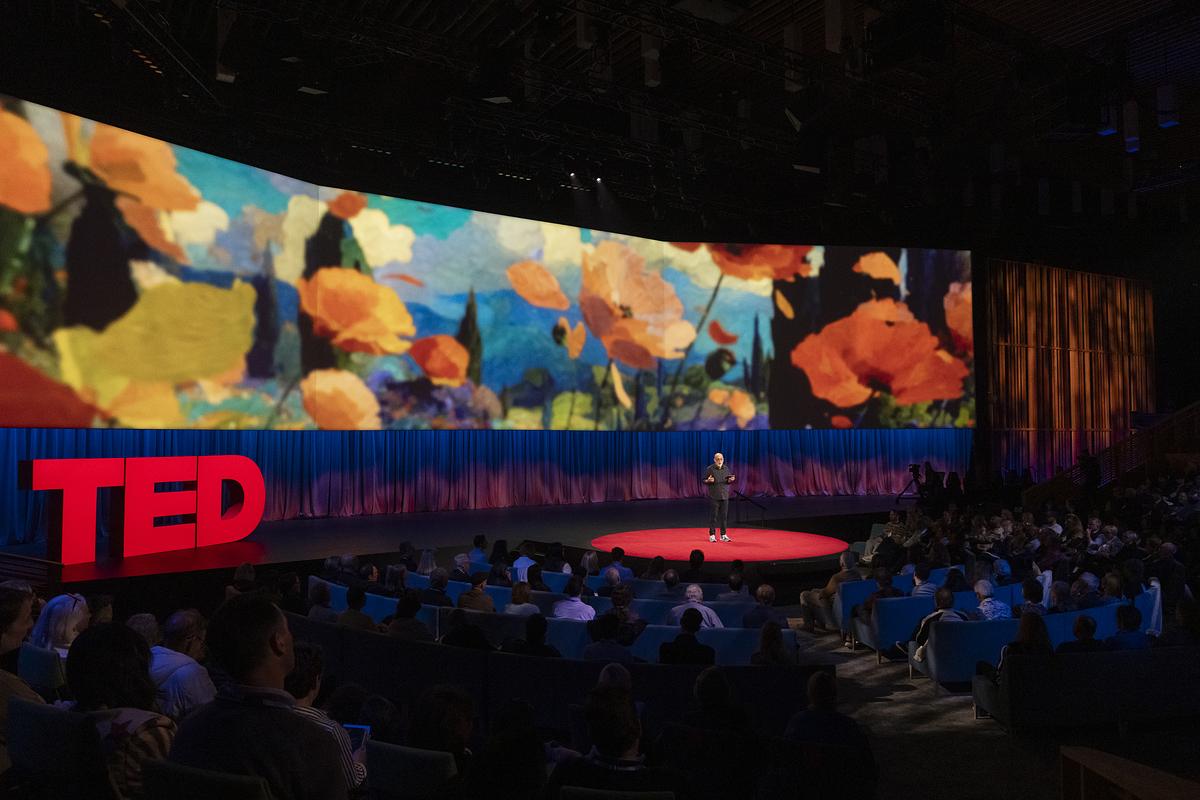
Host Dan Gilbert speaks at TED2026: All of Us. April 16, 2026, Vancouver, BC. (Photo: Jasmina Tomic / TED)
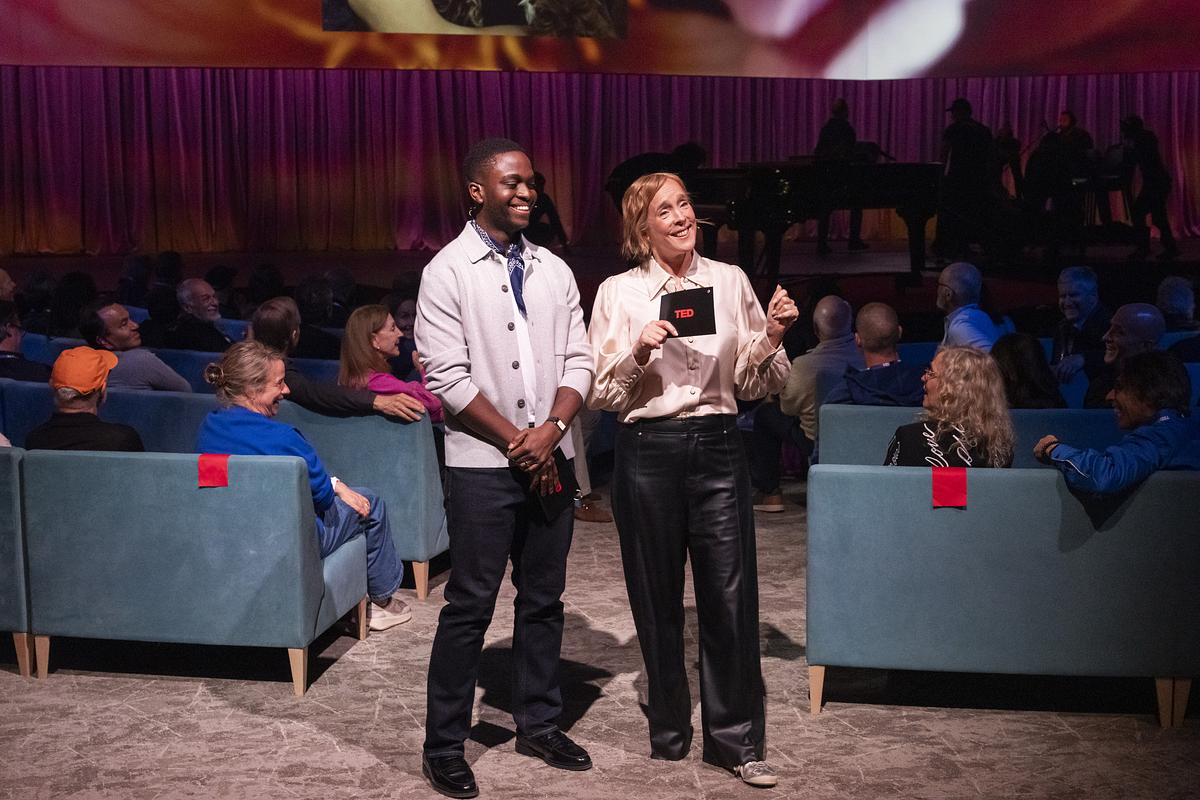
Hosts Ikey Ajavon and Helen Walters speak at TED2026: All of Us. April 16, 2026, Vancouver, BC. (Photo: Jason Redmond / TED)